
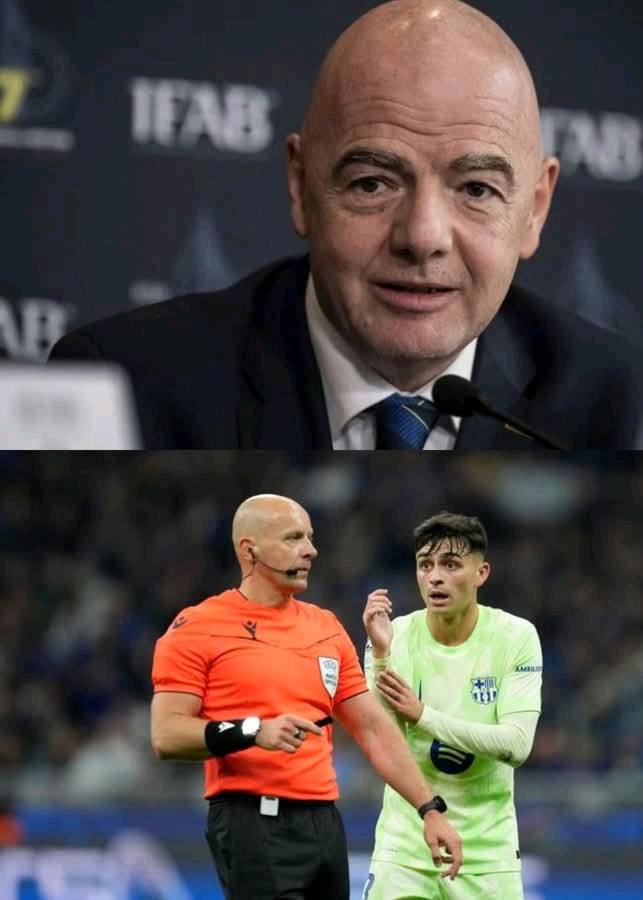
FIFA, in collaboration with UEFA and the International Football Association Board (IFAB), has unveiled a major update to penalty kick regulations. The change comes after widespread backlash over a contentious decision in the Champions League Round of 16 match between Atlético Madrid and Real Madrid. The controversy stemmed from referee Szymon Marciniak disallowing a penalty scored by Atlético’s Julián Álvarez, ruling that the striker had illegally touched the ball with both feet. The decision, which helped Real Madrid advance, sparked outrage among fans and analysts, prompting calls for a rule revision.
Under the new rule, if a player accidentally makes contact with the ball using both feet during a penalty and scores, the kick will be retaken. However, if no goal is scored, the outcome will depend on the situation—either counting as a miss in a shootout or resulting in an indirect free kick for the opposition during regular play. The amendment aims to distinguish between deliberate violations and unintentional slips, addressing criticism that the previous rule was too harsh on minor infractions. FIFA emphasized that the update ensures fairness while maintaining the integrity of penalty decisions.
The incident at the Wanda Metropolitano had caused confusion, with fans initially believing Álvarez’s goal stood after the scoreboard displayed a draw. However, after protests from Real Madrid players and a VAR review, the referee overturned the goal, altering the tie’s outcome. Real Madrid’s formal complaint to UEFA played a key role in pushing for the rule change. The club argued that while the decision benefited them, the existing law needed clarification to prevent future disputes in high-stakes matches.
The updated regulation is expected to reduce controversy in penalty shootouts and critical match moments. By differentiating between intentional and accidental infractions, FIFA hopes to foster greater consistency in refereeing decisions. This marks the latest in a series of adjustments to football’s laws, reflecting the sport’s evolving nature. Fans and players alike will now watch closely to see how the new rule impacts upcoming tournaments. The change underscores FIFA’s responsiveness to on-field controversies, though debates over refereeing decisions are likely to persist as the game continues to evolve.